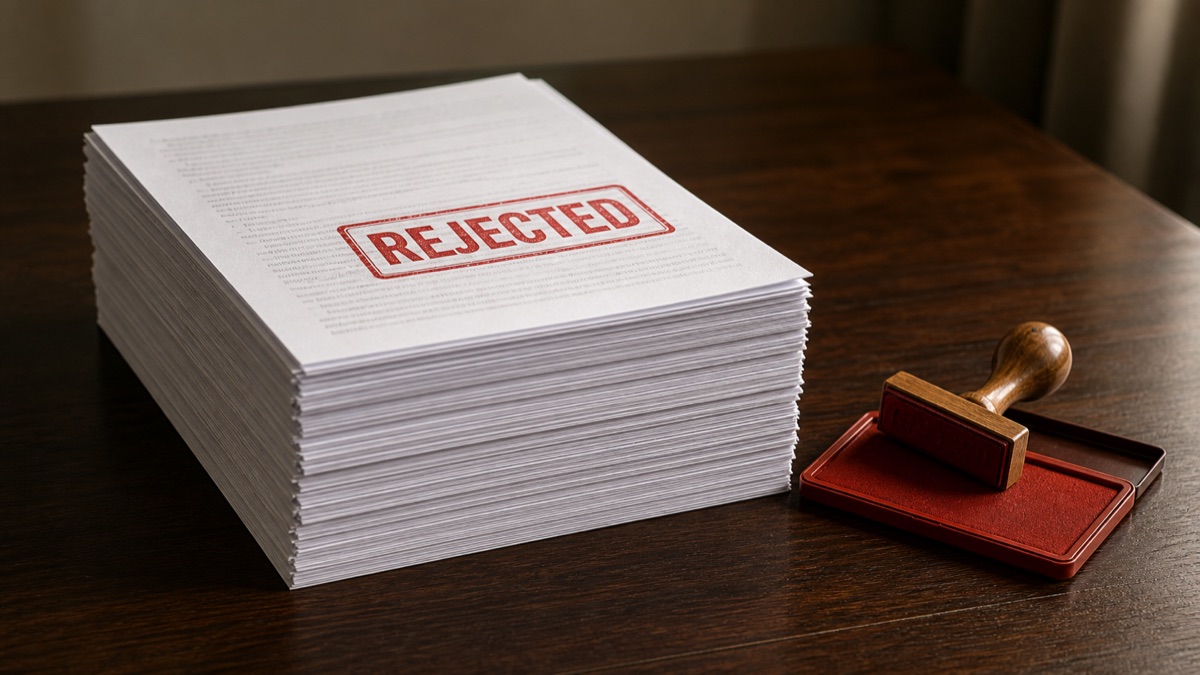
Dropping my own recommendation was the best decision I made for a client this summer.
My diagnosis was correct.
One person's hours limited their output.
My plan was the textbook one: hand part of the work to someone else.
They did not want that.
Because that part of the work was the point of the business.
They told me. The plan changed.
I thought about this while listening to Elizabeth Stone, Netflix's Product and Technology Officer, talk about how AI is changing the way teams work.
Roles are blurring.
Product people prototype.
Designers write specs.
Engineers do product work.
AI takes on more of the execution.
What I took from Stone's argument is what becomes valuable as that happens.
The person who steps back from the task and asks:
What is the bigger problem?
What should be reusable?
Where should the guardrail sit?
What should we encode once so hundreds of people, and increasingly their AI tools, do not have to rediscover the same answer?
She describes the culture that enables this as “excellence as an operating system.”
High talent density.
Agency and accountability.
Clear business outcomes.
And the nerve to recover from failure rather than answer every mistake with another layer of process.
That was my job at the client's table.
It was not the plan.
It was the judgement about whether the plan should exist.
I recently wrote that the enterprise AI problem is not that AI cannot write enough code.
It is that AI can produce plausible answers faster than organisations can judge them.
This feels like the other side of the same coin.
As execution becomes cheaper, value moves upward:
from doing the task,
to framing the problem,
to shaping the system,
to judging the output,
to owning the result.
I believe that shift is happening.
I cannot yet show whether teams that organise around it consistently perform better.
That is the bit I want to test.
When did someone's judgement save you from your own fast plan?