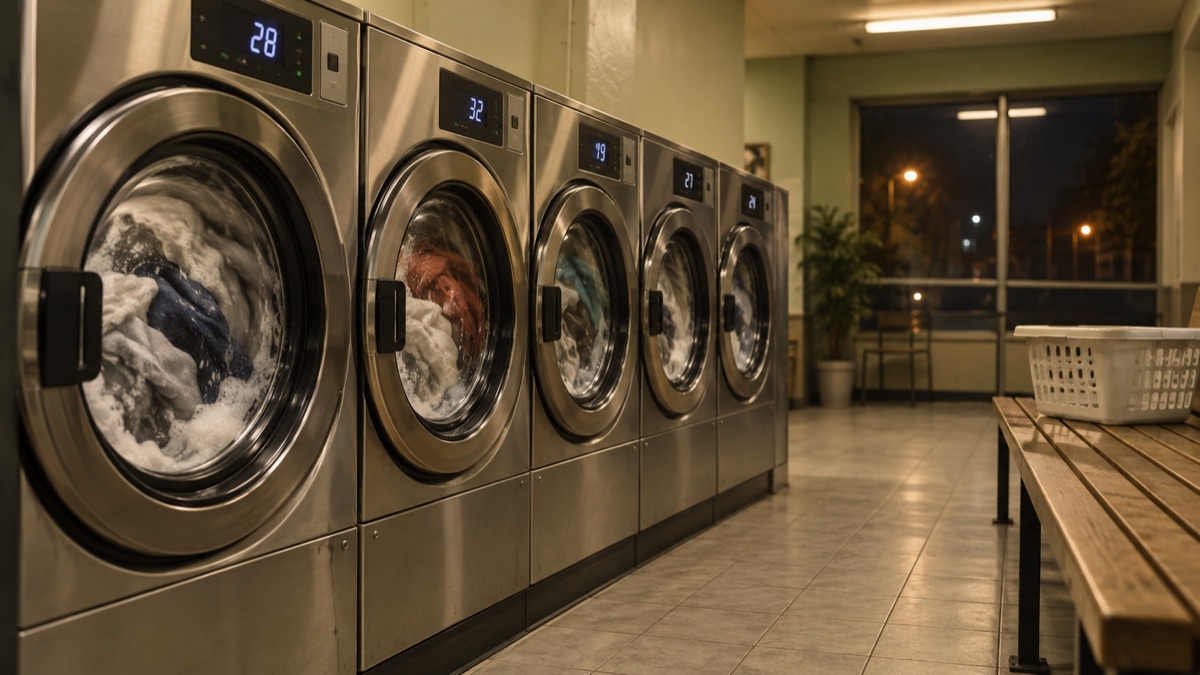
I've discovered an unexpected productivity problem in 2026.
I'm increasingly waiting for AI to finish its work.
That sounds ridiculous when you say it out loud.
AI is supposed to make us faster.
And it does.
But once you start delegating enough cognitive work, something interesting happens.
You stop being the obvious bottleneck.
The bottleneck moves.
I've always liked Goldratt's Theory of Constraints, but "constraint" is one of those words that makes sense to operations people and sounds abstract to everyone else.
That is why The Goal worked so well.
Goldratt did not teach the theory as a lecture.
He humanised it.
He showed a factory where everyone was busy, everyone was working hard, and yet output was still limited by one part of the system.
That is increasingly how AI-enabled work feels.
I can now:
frame a problem
delegate research
ask for analysis
generate drafts
test ideas
compare options
...and sometimes I create work faster than the models can return it.
So the question changes.
It is no longer just:
"How do I use AI to work faster?"
It becomes:
"Where is the constraint now?"
Sometimes the constraint is still me.
Sometimes it is poor prompting.
Sometimes it is approval.
Sometimes it is a slow model.
Sometimes I have five AI workstreams running and the next decision depends on all five returning.
That changes how I think about AI productivity.
The goal is not to maximise AI usage.
The goal is to maximise flow.
A slower, smarter model is not automatically better if it leaves the whole system waiting.
A faster, slightly less capable model may create more value if it keeps the work moving.
The interesting bit is that this starts to look less like prompting and more like operations design.
Which model should do which work?
What can run in parallel?
What needs human judgement?
Where does work queue up?
What should happen while we wait?
Goldratt's lesson still holds.
Do not optimise every part.
Find the constraint.
Then design the system around it.
AI has not removed constraints. It has moved them.
And that may be the more interesting productivity story.
When did AI last move the bottleneck in your work, and where did it go?