The story going round is that someone vibe coded Photoshop.
Since 30 September, a small studio called ArtCraft has released free open source clones of Photoshop, Word and more, with Claude listed as co-author on many of the Photoshop clone's commits.
Last month I asked who can prove that the software we now build instead of buying is safe. This is that question getting a public test, one app at a time.
The Photoshop clone has more than 1,700 automated tests. Open and re-save the 309 Photoshop files in a public test set, and 307 of them come back looking the same.
That isn't vibes. It's about the least vibe-like thing you can do in software.
The Word clone is a different story. Its own roadmap says it is about 60% of the way to replacing Word. The list of what it needs before beta includes testing against real-world Word files and keeping charts and SmartArt through a save.
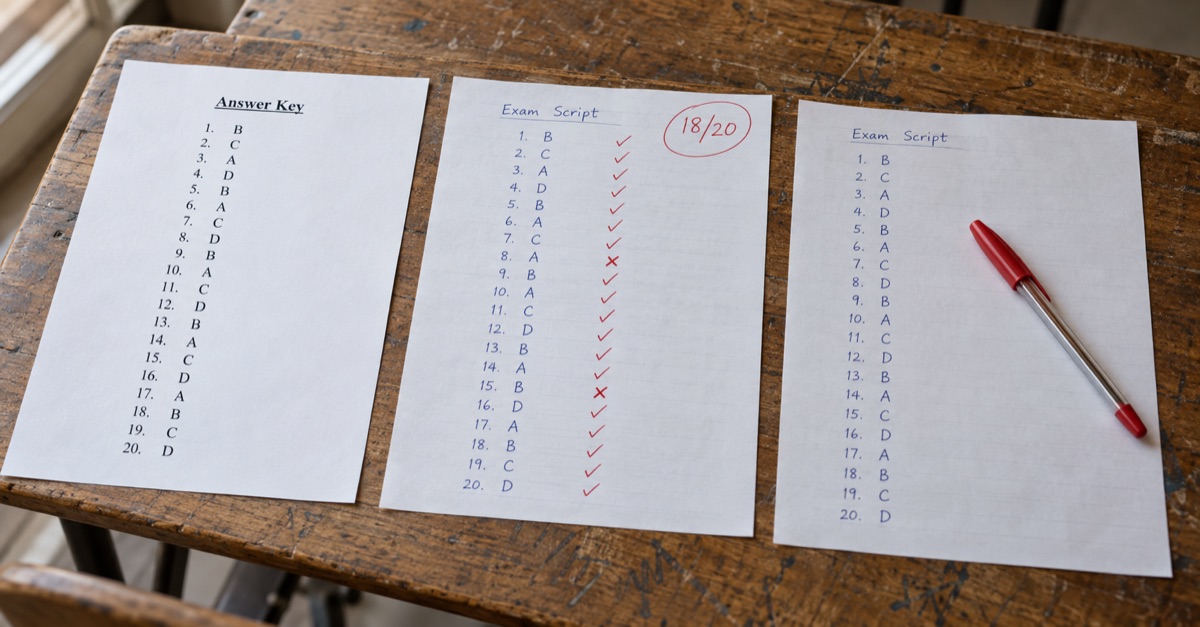
Both came from the same studio and the same AI. The difference is how much of the work had a real-world answer key to be marked against.
An AI doesn't need to know what Photoshop is for. It needs a test to go from red to green, over and over, without getting bored. Clones are the easy case because the answer key already exists: published file formats, and the real app sitting there to compare against.
Build something new and nobody has written the answer key yet. More of the marking comes down to your opinion.
I don't know yet how the Word clone will do on real documents. That one experiment would tell us more than any headline.
What I'm more sure of is where the skill has moved. Writing the code got cheap. Knowing what correct looks like, and writing it down so a machine can be marked against it, didn't.
When an AI told you something was finished, what told you it wasn't?
Hey, let's be careful out there.